


Procedures & expertise
Areas of expertise
Clear, factual explainers organised by area of surgical expertise: what each procedure is, who it may help, and what recovery involves. Written for patients, not surgeons.

Robotic & Minimally Invasive GI Oncosurgery
Cancer and complex GI surgery performed through small incisions using robotic and keyhole techniques.

Pancreatic Cancer & Complex Pancreatic Surgery
Surgery for tumours and complex conditions of the pancreas, including the Whipple procedure.
- Pancreatic Cancer SurgeryFor pancreatic tumours that can be removed, surgery is the main treatment that offers the possibility of cure, often alongside chemotherapy. This page explains the main operations for pancreatic cancer: what they involve, who they may suit, and what recovery typically looks like.
- Whipple SurgeryThe Whipple procedure (pancreaticoduodenectomy) is the main operation for tumours in the head of the pancreas and the structures around it. This page explains what it involves, who it may suit, and what recovery typically looks like.
- Chronic Pancreatitis SurgeryChronic pancreatitis is long-standing inflammation of the pancreas that can cause persistent pain and digestive problems. Surgery may be considered when pain continues despite other treatment, or when complications develop.
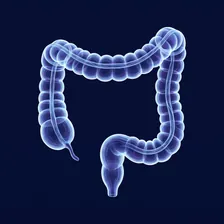
Colorectal Cancer Surgery
Surgery for cancers of the colon and rectum (colorectal cancer), with attention to preserving function.
- Colon Cancer SurgerySurgery to remove the affected part of the colon (a colectomy) is the main treatment for colon cancer. This page explains what the operation involves, who it may suit, and what recovery typically looks like.
- Rectal Cancer SurgerySurgery is central to treating rectal cancer. The goal is to remove the tumour and surrounding tissue completely while preserving as much normal bowel and continence function as possible.
- Colorectal SurgeryColorectal surgery covers operations on the colon (large intestine) and rectum, used for a range of conditions from cancer to benign and inflammatory disease. This page is a general overview. For cancer-specific information, see Colon Cancer Surgery and Rectal Cancer Surgery.
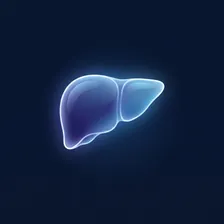
Liver Tumours & Liver Resection Surgery
Surgical removal of liver tumours (liver resection) for selected benign and malignant conditions.

Gallbladder Stones & Bile Duct Diseases
Keyhole gallbladder removal and treatment of bile duct conditions.

Esophageal Cancer Surgery
Surgery for cancers of the food pipe (esophagus) and related thoracic conditions.
- Esophageal Cancer SurgerySurgery is a central part of treating many cancers of the esophagus (food pipe). The main operation, an esophagectomy, removes the affected part of the esophagus and rebuilds the passage for food.
- Achalasia Cardia TreatmentAchalasia cardia is a condition in which the muscle ring at the lower end of the esophagus fails to relax normally, making it difficult for food and liquid to pass into the stomach. Several effective treatments are available.
- Thoracic Tumour Removal SurgerySome tumours within the chest, including those affecting the esophagus or nearby structures, need surgical removal. This page is a general overview of thoracic tumour surgery as part of GI and oncologic surgical care.

Stomach (Gastric) Cancer Surgery
Surgery for cancers of the stomach, including partial and total gastrectomy, and benign stomach conditions.
- Stomach (Gastric) Cancer SurgerySurgery is the main treatment for stomach (gastric) cancer that can be removed. The operation, a gastrectomy, removes part or all of the stomach along with nearby lymph nodes.
- Stomach SurgerySurgery on the stomach is used for a range of conditions beyond cancer, including benign tumours and complications of peptic ulcer disease. This page is a general overview; for cancer-specific information, see Stomach (Gastric) Cancer Surgery.

Robotic / Laparoscopic Complex Hernia Surgery
Minimally invasive repair of inguinal, umbilical, incisional and hiatus hernias, including complex abdominal wall reconstruction.
- Hernia RepairA hernia occurs when tissue pushes through a weak spot in the abdominal wall. Surgery is the definitive treatment for hernias that cause symptoms or carry a risk of complications.
- Hiatus Hernia RepairA hiatus hernia occurs when part of the stomach pushes up through the diaphragm into the chest, through an opening called the hiatus. It is a different condition from an abdominal wall hernia and is closely linked to acid reflux.

Advanced Laparoscopic Surgery
Keyhole surgery for a range of gastrointestinal conditions.

Proctology
Treatment of conditions of the anus and rectum, such as piles, fissure and fistula.
- Piles (Haemorrhoids) TreatmentPiles (haemorrhoids) are swollen blood vessels in and around the back passage. They are very common, and most can be managed without surgery; when treatment is needed, several effective options are available.
- Anal Fissure TreatmentAn anal fissure is a small tear in the lining of the back passage. It can be painful, but most heal with simple treatment; some need a minor procedure.
- Anal Fistula TreatmentAn anal fistula is a small tunnel that develops between the anal canal and the skin near the anus, often after an infection or abscess. Fistulas usually need surgery to heal.
- Pilonidal Sinus TreatmentA pilonidal sinus is a small tunnel or cavity in the skin near the top of the buttock cleft, which can collect hair and debris and become infected. Treatment ranges from drainage of infection to surgery.
- Rectal Prolapse SurgeryRectal prolapse occurs when the rectum slips out of its normal position, sometimes protruding through the anus. Surgery is the main treatment for significant prolapse.