

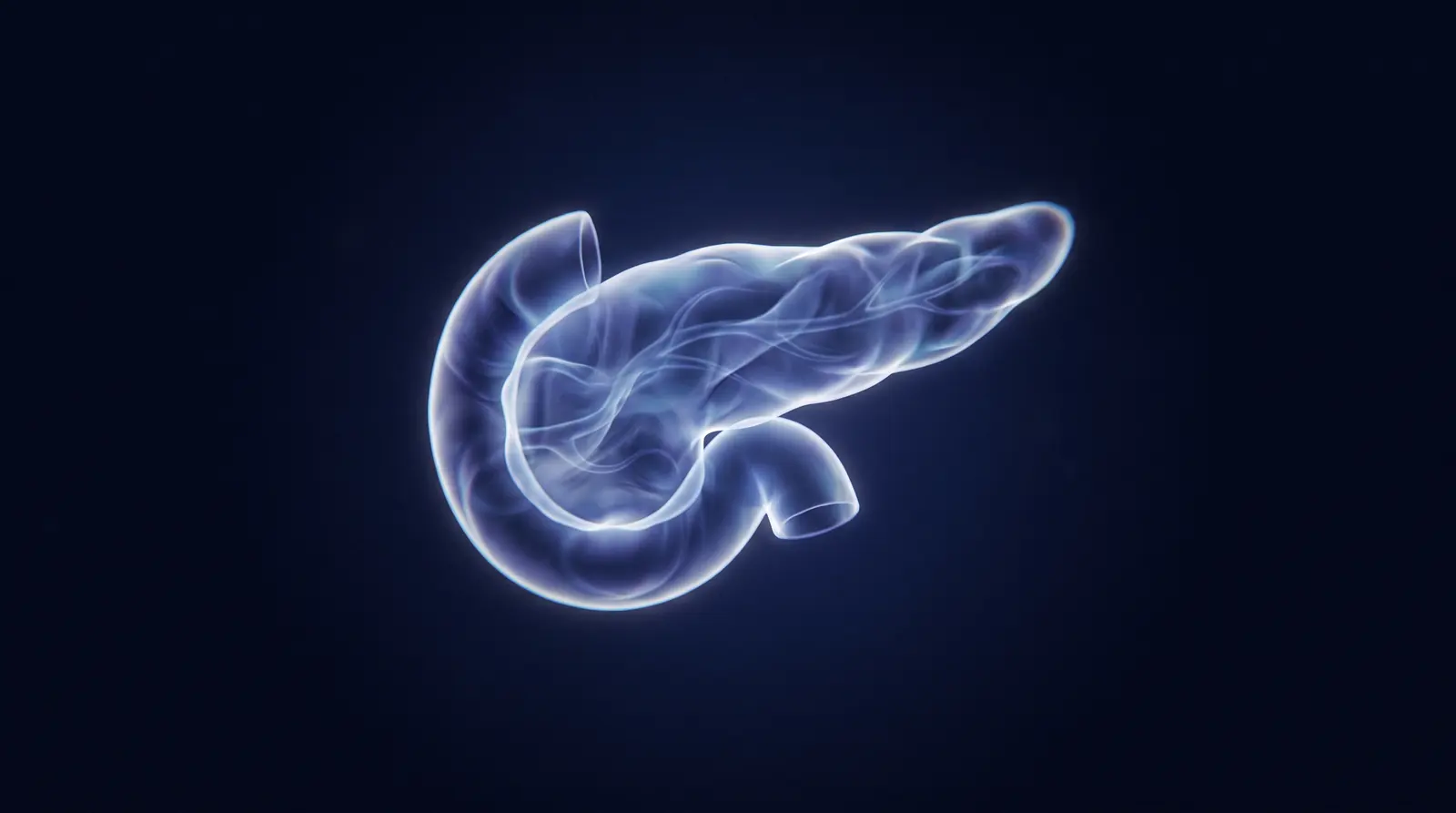
What is chronic pancreatitis surgery?
Surgery for chronic pancreatitis aims to relieve pain by draining a blocked or dilated pancreatic duct, removing severely damaged pancreatic tissue, or both, depending on the pattern of disease seen on imaging.
- Drainage procedures (such as a lateral pancreaticojejunostomy, or Puestow procedure) for a dilated pancreatic duct
- Resection procedures removing damaged tissue, often from the head of the pancreas, for localised disease
- Combined drainage-and-resection procedures for more complex disease
Who might need it?
Surgery is considered when pain is not adequately controlled with medical treatment, or when complications develop, such as duct blockage, pseudocysts, or findings that raise concern about cancer. The decision follows a thorough clinical and radiological assessment, including detailed pancreatic imaging.
Recovery
This is major surgery and recovery is gradual, with the care team monitoring digestion and pain relief closely afterwards.
Where suitable, this may be carried out using minimally invasive techniques. See Minimally Invasive Surgery.
Frequently asked questions
Does chronic pancreatitis always need surgery?
No. Surgery is considered when pain is not controlled with medical treatment or when complications develop. Many people are managed with medical and lifestyle measures first.
What is a Puestow procedure?
A Puestow procedure (lateral pancreaticojejunostomy) is a drainage operation that relieves pressure in a dilated pancreatic duct by connecting it to a loop of small intestine.
Can chronic pancreatitis be cured with surgery?
Surgery aims to relieve pain and manage complications rather than reverse the underlying gland damage. Outcomes vary between individuals, and your surgical team will discuss what surgery can realistically achieve in your situation.