

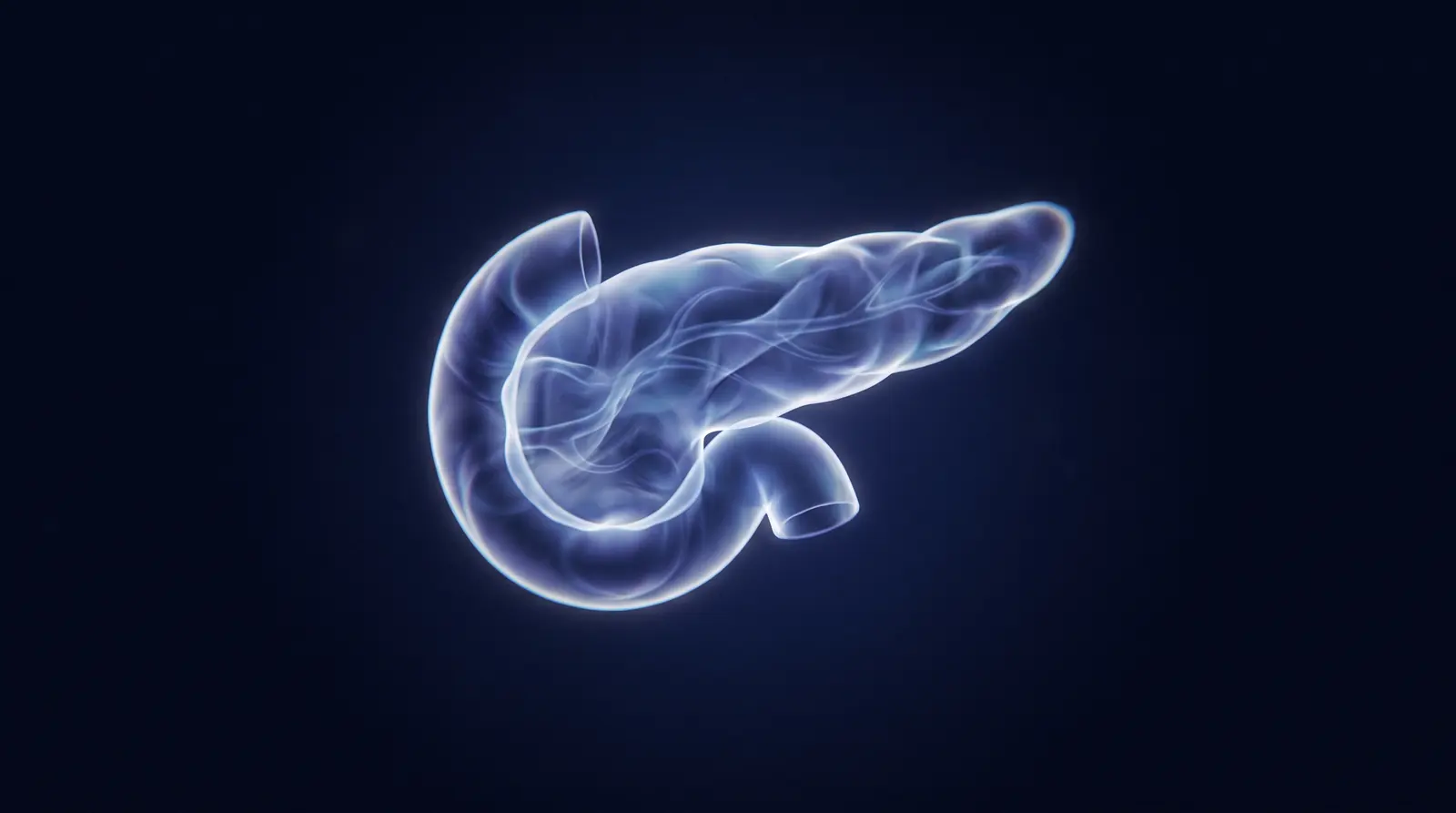
What is pancreatic cancer surgery?
The pancreas is a gland deep in the abdomen that helps with digestion and blood-sugar control. Pancreatic cancer surgery removes the part of the pancreas containing the tumour, along with nearby tissue and lymph nodes, to remove the cancer as completely as possible.
The operation chosen depends mainly on where the tumour is located within the pancreas.
- Whipple procedure (pancreaticoduodenectomy): for tumours in the head of the pancreas.
- Distal pancreatectomy: for tumours in the body or tail, sometimes with removal of the spleen.
- Total pancreatectomy: removal of the whole pancreas, used in selected cases.
Who might need it?
Whether surgery is suitable is decided after a thorough clinical and radiological assessment of whether the tumour can be removed completely and whether the person is well enough for a major operation. Pancreatic tumours are often described as resectable, borderline resectable, or locally advanced, based on how they relate to nearby blood vessels.
These decisions are made by a multidisciplinary team using detailed scans. Some people have chemotherapy first to shrink a borderline tumour before surgery is reconsidered.
Recovery
Pancreatic surgery is major surgery, and recovery is gradual. In hospital, the care team monitors recovery closely and helps you return to eating and moving. At home, expect certain dietary adjustments for a few weeks as your body recovers.
Some people need pancreatic enzyme supplements to help digestion, and a few may need help managing blood sugar after surgery. Regular follow-up continues after the operation.
Most patients stay in hospital for about 5 to 7 days, and dietary modifications are usually advised for around 4 to 6 weeks while the digestive system settles.
Where suitable, this may be carried out using minimally invasive techniques. See Minimally Invasive Surgery.
Frequently asked questions
Is pancreatic cancer always treated with surgery?
No. Surgery is used when imaging suggests the tumour can be removed completely and the person is fit enough for the operation. Treatments such as chemotherapy may be used before surgery, after surgery, or instead of surgery when an operation is not suitable.
What is the Whipple procedure?
The Whipple procedure (pancreaticoduodenectomy) is an operation for tumours in the head of the pancreas. It removes the head of the pancreas, the duodenum, the gallbladder and part of the bile duct, and sometimes part of the stomach, after which the remaining organs are reconnected.
What does “borderline resectable” mean?
It describes a tumour that is close to or partly involves nearby blood vessels, which makes removal more complex. Chemotherapy is often given first, after which surgery may be reconsidered.
How long does recovery take?
Recovery is gradual and varies from person to person. A hospital stay of about 5 to 7 days is typical, and dietary modifications are usually advised for around 4 to 6 weeks while the digestive system settles. Your surgical team will give you guidance specific to your operation.