

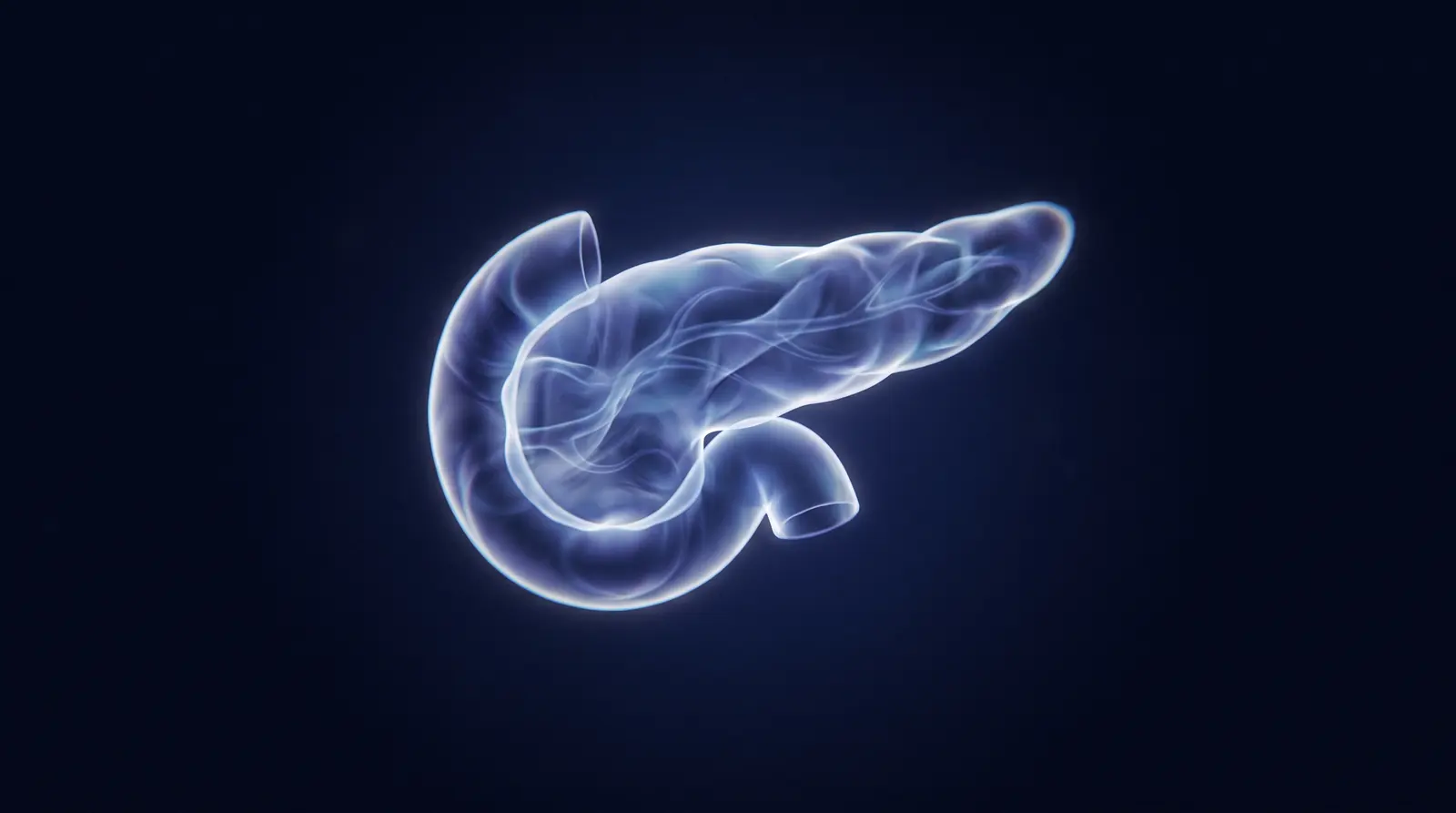
What is the Whipple procedure?
The Whipple procedure removes the head of the pancreas together with several nearby structures, and then reconnects the remaining organs so that digestion can continue. It is one of the most complex operations in abdominal surgery.
- The head of the pancreas
- The duodenum (the first part of the small intestine)
- The gallbladder and part of the bile duct
- Sometimes part of the stomach
Who might need it?
A Whipple procedure may be recommended for tumours of the head of the pancreas, the lower bile duct, the ampulla (where the bile and pancreatic ducts meet) or the duodenum. It is considered after a thorough clinical and radiological assessment of whether the tumour can be removed completely and whether the person is fit for major surgery.
The decision is made by a multidisciplinary team after detailed scans, and chemotherapy is sometimes given first.
Recovery
This is major surgery and recovery is gradual. The care team supports your return to eating and moving in hospital, and it is normal to feel tired for several weeks afterwards. Diet may need to be adjusted, and some people need pancreatic enzyme supplements to help digestion.
Most patients stay in hospital for about 5 to 7 days, and dietary modifications are usually advised for around 4 to 6 weeks while the digestive system settles.
Where suitable, this may be carried out using minimally invasive techniques. See Minimally Invasive Surgery.
Frequently asked questions
What is removed during a Whipple procedure?
The head of the pancreas, the duodenum, the gallbladder and part of the bile duct, and sometimes part of the stomach. The remaining organs are then reconnected so digestion can continue.
Is the Whipple procedure a major operation?
Yes. It is one of the more complex abdominal operations and requires a planned hospital stay and a gradual recovery. It is carried out after careful assessment of fitness and imaging.
Which conditions are treated with a Whipple procedure?
It is most often used for tumours of the head of the pancreas, the lower bile duct, the ampulla or the duodenum.