

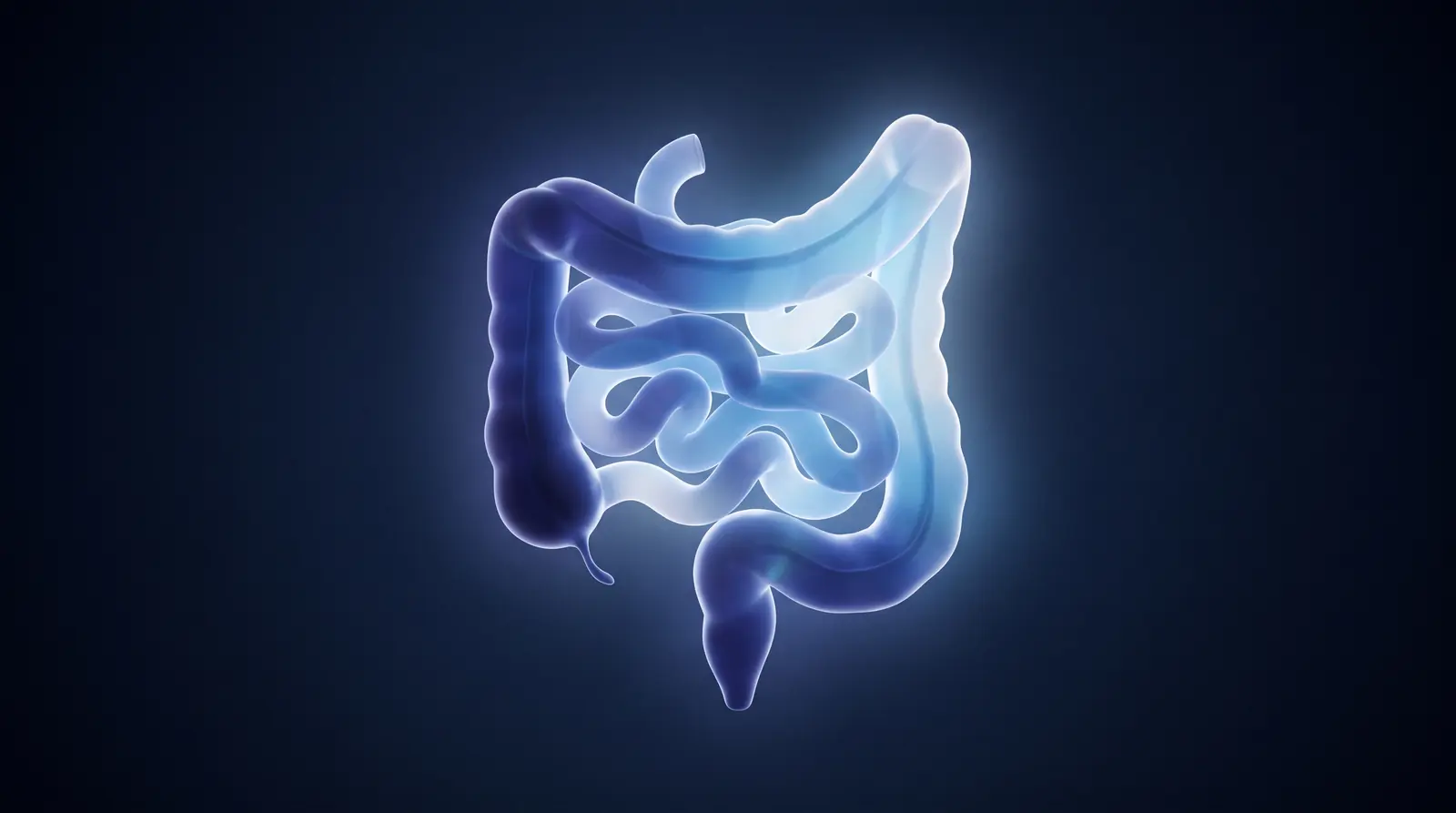
What is colon cancer surgery?
A colectomy removes the segment of colon containing the tumour, along with nearby lymph nodes, and the two healthy ends of bowel are then rejoined. The exact operation depends on where the cancer is located.
- Right hemicolectomy: for cancers in the right side of the colon
- Left hemicolectomy: for cancers in the left side
- Sigmoid colectomy: for cancers in the lower (sigmoid) colon
Who might need it?
Surgery is the main treatment for colon cancer that can be removed. The plan is made after a thorough clinical and radiological assessment, including imaging and colonoscopy, and the case is discussed by a multidisciplinary team. Chemotherapy is sometimes recommended after surgery depending on the findings.
Recovery
Recovery focuses on the return of normal bowel function and gradually getting back to eating and activity. Most people recover well, though it takes time for the bowel to settle.
Where suitable, this may be carried out using minimally invasive techniques. See Minimally Invasive Surgery.
Frequently asked questions
What is a colectomy?
It is an operation to remove part of the colon containing the cancer, along with nearby lymph nodes, after which the healthy ends of bowel are rejoined.
Will I need a stoma after colon cancer surgery?
Many people having colon cancer surgery do not need a stoma, because the bowel can usually be rejoined. A stoma is sometimes needed, occasionally temporarily; your surgeon will discuss whether it applies to your situation.
Is chemotherapy needed as well as surgery?
Sometimes. Whether chemotherapy is recommended after surgery depends on the stage and features of the cancer, and is decided by the multidisciplinary team.