

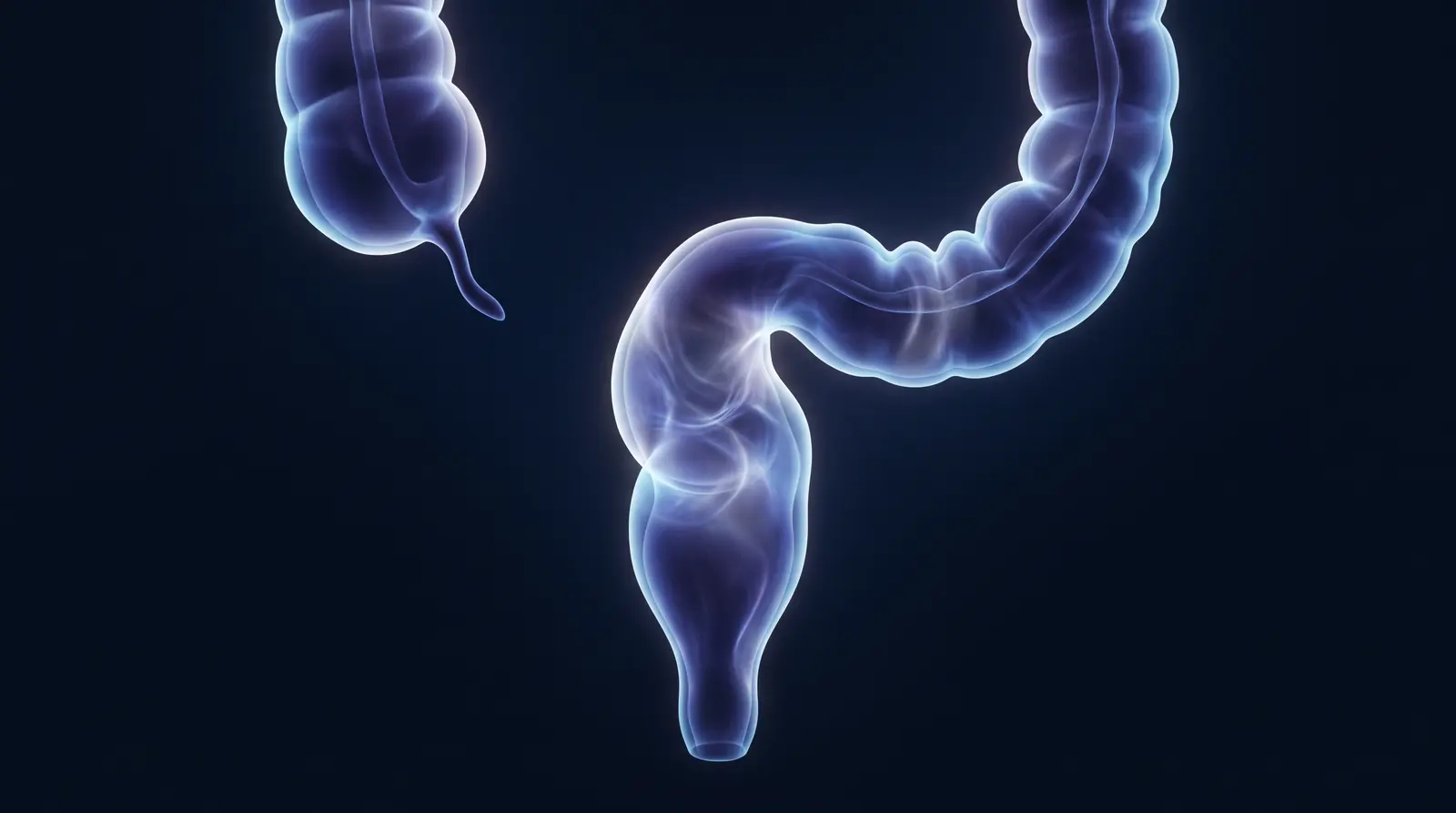
What is rectal cancer surgery?
The aim is to remove the tumour and the surrounding tissue completely while preserving as much normal function as possible. The main operations differ in how much of the rectum and surrounding muscle is removed.
- Total mesorectal excision (TME): careful removal of the rectum within its surrounding tissue envelope
- Low anterior resection (LAR): removing the affected part of the rectum and rejoining the bowel
- Abdominoperineal resection (APR): used for some low tumours, which results in a permanent stoma
Who might need it?
Surgery is planned after a thorough clinical and radiological assessment, including staging scans. For some rectal cancers, chemotherapy and/or radiotherapy are given before the operation, and the multidisciplinary team recommends the approach based on the tumour's position and stage.
Recovery
Recovery depends on the operation performed. Bowel habits often change for a time after rectal surgery, and some people have a temporary or permanent stoma. The care team provides support and guidance throughout.
Where suitable, this may be carried out using minimally invasive techniques. See Minimally Invasive Surgery.
Frequently asked questions
Will I need a stoma?
It depends on the position of the tumour. Many people can have the bowel rejoined, sometimes with a temporary stoma that is later reversed. For some low tumours a permanent stoma is needed. Your surgeon will explain what applies to you.
What is total mesorectal excision (TME)?
TME is the careful removal of the rectum within its surrounding tissue envelope. It is an established technique aimed at removing the cancer completely.
Does treatment start with surgery?
Not always. For some rectal cancers, chemotherapy and/or radiotherapy are given before surgery. The multidisciplinary team decides the order of treatment.