

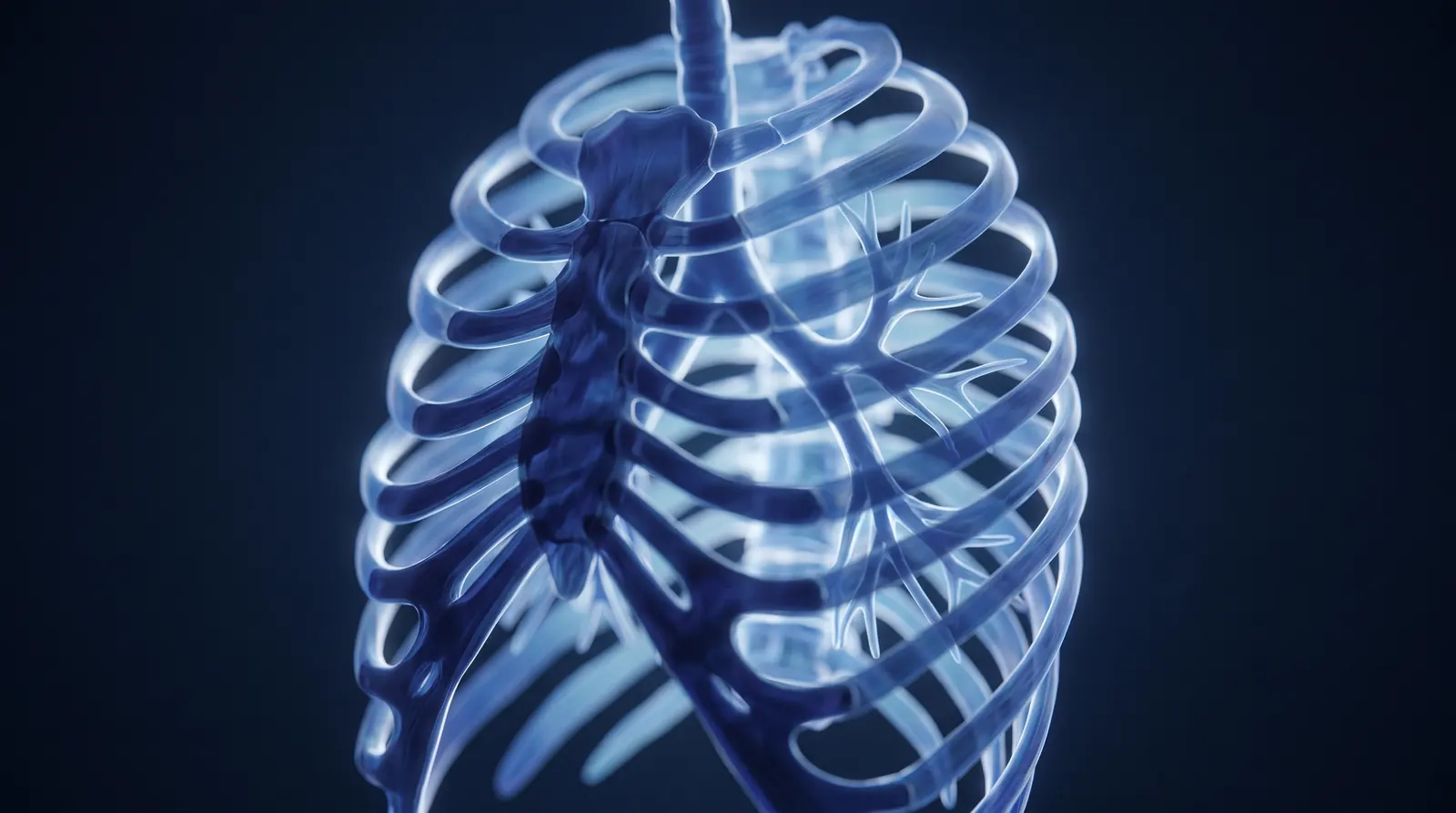
What is thoracic tumour surgery?
Thoracic tumour surgery removes tumours within the chest cavity. It is often performed alongside, or as an extension of, esophageal cancer surgery, since the lower esophagus passes through the chest before reaching the stomach.
- Tumours of the esophagus extending into the chest
- Mediastinal tumours (in the central chest cavity)
- Tumours involving structures near the chest-abdomen junction
Who might need it?
Whether surgery is suitable is decided after a thorough clinical and radiological assessment, including CT and, where relevant, PET imaging, of whether the tumour can be removed completely and whether the person is fit for major surgery. The plan is made by a multidisciplinary team.
Recovery
This is major surgery and recovery is gradual, with the care team monitoring breathing and recovery of normal eating closely afterwards.
Where suitable, this may be carried out using minimally invasive techniques. See Minimally Invasive Surgery.
Frequently asked questions
Is thoracic tumour surgery the same as esophageal cancer surgery?
They overlap. Esophageal cancer surgery often involves working within the chest, so thoracic tumour surgery is frequently part of the same operation. Thoracic surgery can also address other tumours within the chest.
What does minimally invasive thoracic surgery involve?
It uses small incisions in the chest, with or without robotic assistance, instead of one large opening. Suitability depends on the tumour's location and individual factors.
How is a thoracic tumour diagnosed?
Diagnosis usually involves CT imaging, often combined with PET scanning and, where needed, a biopsy, to assess the tumour and plan safe treatment.