

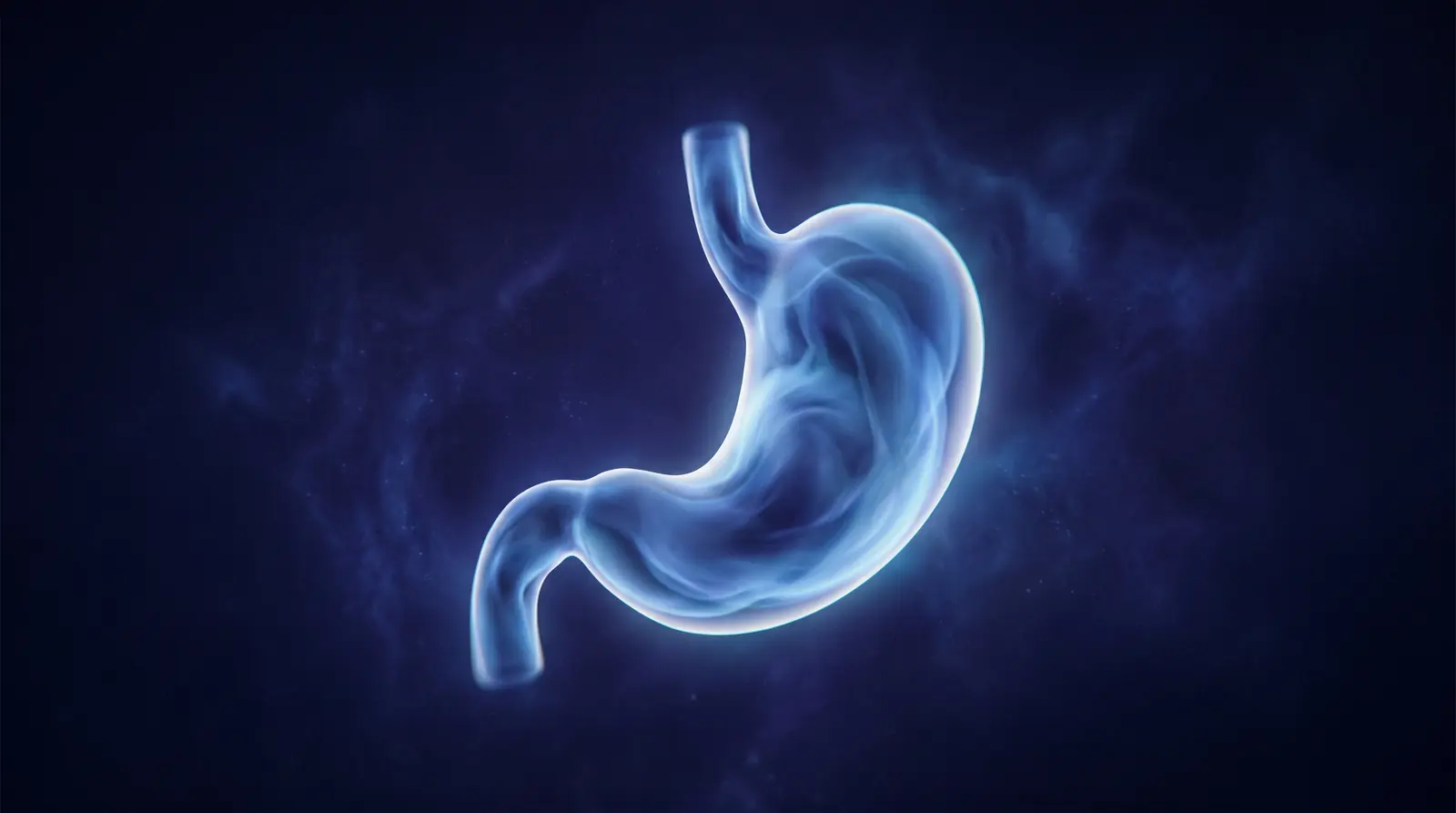
What is stomach cancer surgery?
Gastric cancer surgery (gastrectomy) removes the part of the stomach containing the tumour, or the whole stomach, along with nearby lymph nodes, and reconnects the digestive tract so that eating can continue.
- Partial (subtotal) gastrectomy: removing the affected part of the stomach
- Total gastrectomy: removing the whole stomach, used when needed
Who might need it?
Whether surgery is suitable is decided after a thorough clinical and radiological assessment, including endoscopy and staging scans, of whether the tumour can be removed completely and whether the person is fit for major surgery.
Chemotherapy is often given before and/or after surgery, and the plan is made by a multidisciplinary team.
Recovery
This is major surgery and recovery is gradual. After surgery, meals are usually smaller and more frequent while the digestive system adjusts, and dietary guidance is an important part of recovery.
Where suitable, this may be carried out using minimally invasive techniques. See Minimally Invasive Surgery.
Frequently asked questions
What is a gastrectomy?
It is surgery to remove part of the stomach (partial/subtotal gastrectomy) or the whole stomach (total gastrectomy), along with nearby lymph nodes, after which the digestive tract is reconnected.
Can you live without part or all of the stomach?
Yes. After a gastrectomy the digestive tract is reconnected, and most people adjust to eating smaller, more frequent meals. Dietary support is provided to help with this.
Is chemotherapy needed as well as surgery?
Often. Chemotherapy is commonly given before and/or after surgery for stomach cancer; whether and when is decided by the multidisciplinary team.