

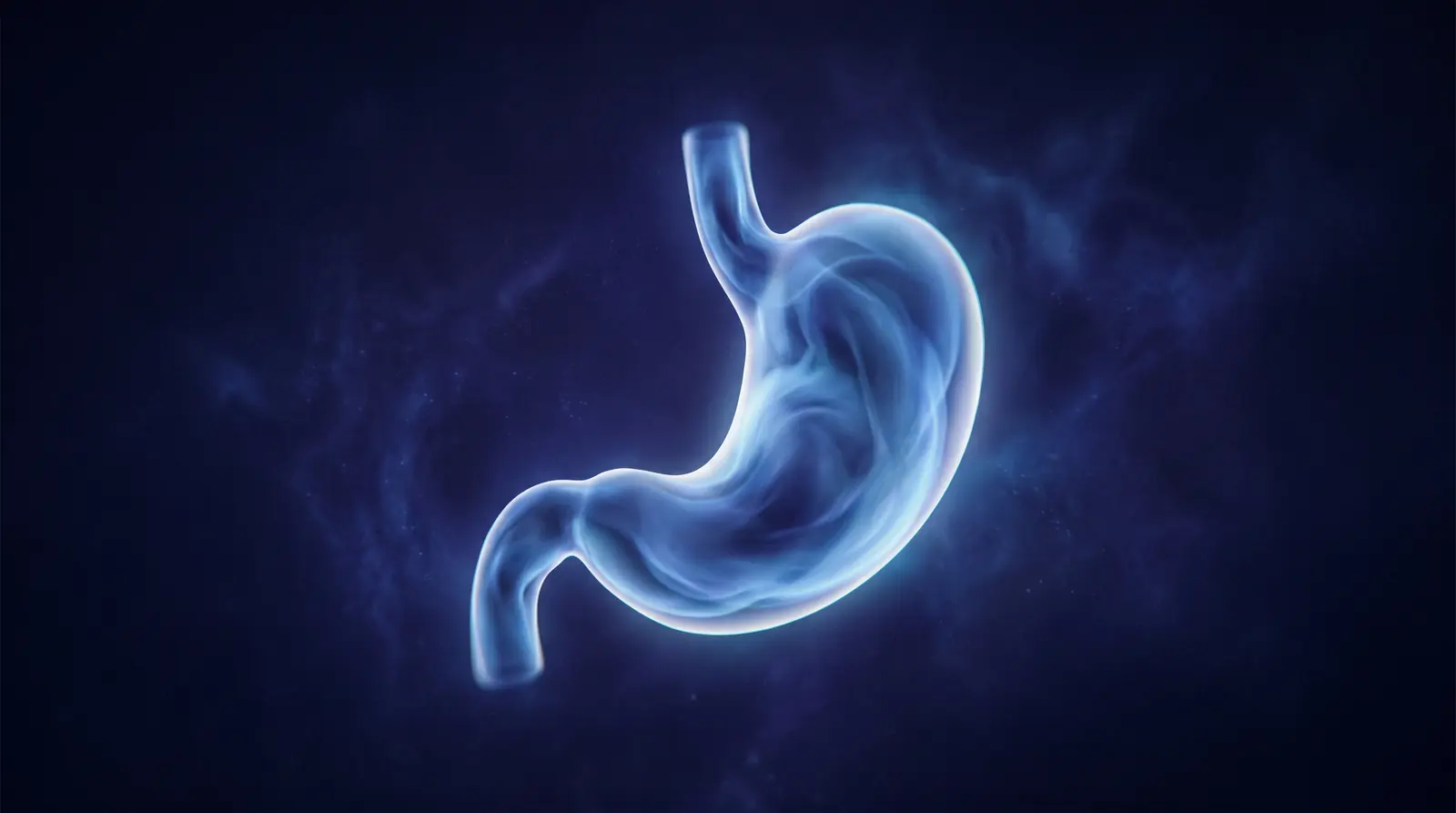
What is stomach surgery?
The stomach plays a key role in digestion, and surgery may be needed for several conditions affecting it beyond cancer.
- Benign gastric tumours, including gastrointestinal stromal tumours (GISTs)
- Complications of peptic ulcer disease, such as bleeding, perforation or obstruction
- Gastric outlet obstruction
- A hiatus hernia affecting the stomach (see Hiatus Hernia Repair)
Who might need it?
Whether surgery is needed depends on the specific condition, its severity and whether it can be managed without surgery first. Assessment typically includes endoscopy and imaging, with the plan made after thorough clinical evaluation.
Recovery
Recovery depends on the operation performed and the underlying condition, with dietary guidance an important part of the recovery process.
Where suitable, this may be carried out using minimally invasive techniques. See Minimally Invasive Surgery.
Frequently asked questions
What conditions of the stomach need surgery besides cancer?
Surgery may be used for benign tumours such as GISTs, complications of peptic ulcer disease (bleeding, perforation or obstruction), and a hiatus hernia affecting the stomach.
Is stomach surgery always major surgery?
Not always. Many stomach operations can be performed using minimally invasive techniques with smaller incisions; the extent of surgery depends on the underlying condition.
Can a benign stomach tumour be removed without removing the whole stomach?
Often, yes. Many benign tumours can be removed locally, preserving as much normal stomach as possible. Whether this is suitable depends on the size and position of the tumour.