

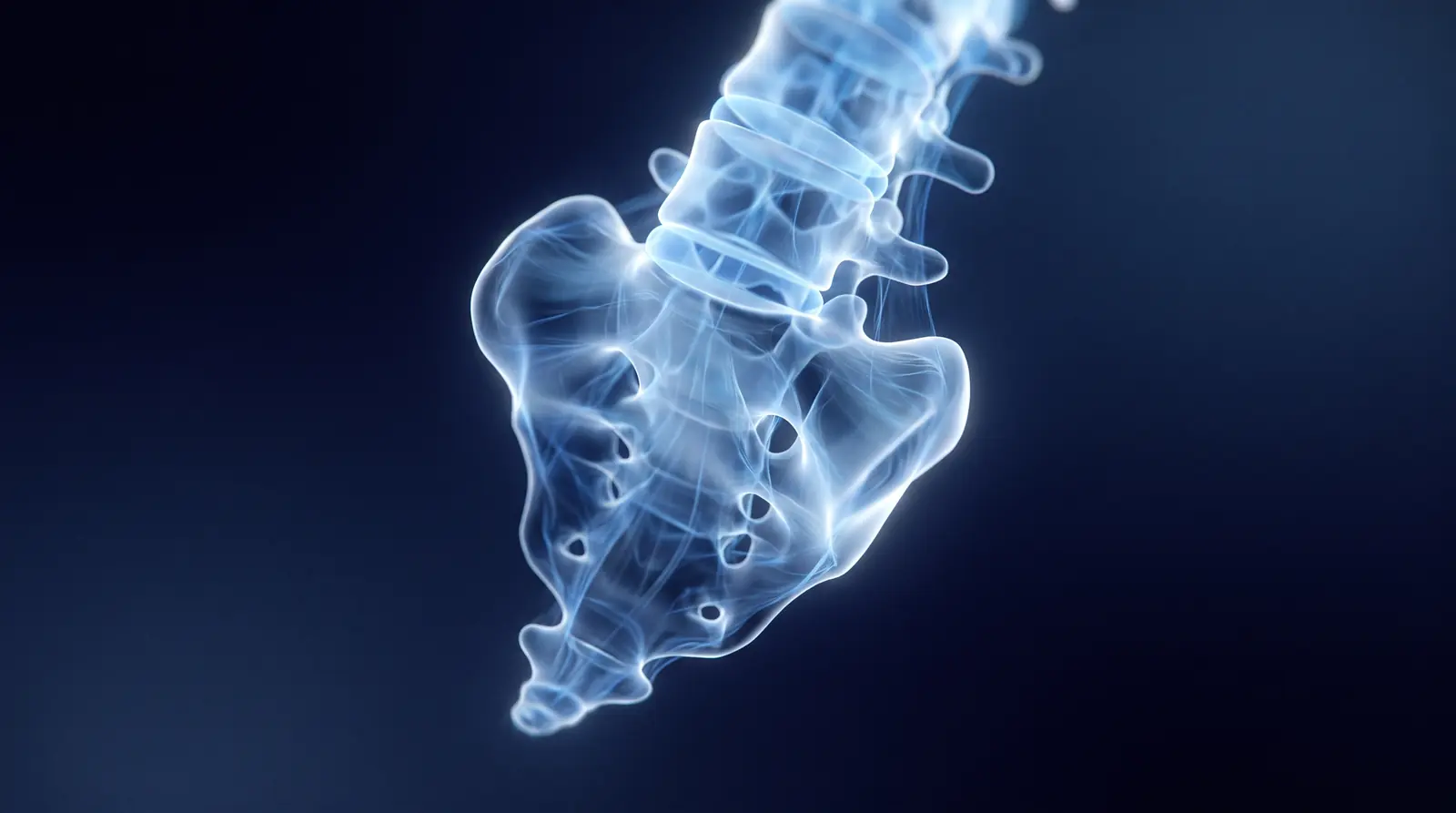
What is a pilonidal sinus?
A pilonidal sinus is a small cavity or tunnel under the skin near the tailbone, at the top of the cleft between the buttocks. It can trap hair and debris and may become infected, causing a painful abscess.
Symptoms & when to see a doctor
Symptoms include pain, swelling, discharge or recurrent infection near the top of the buttock cleft. An infected pilonidal abscess can come on quickly and may need prompt drainage.
Treatment options
An acute infection (abscess) is usually drained first. For a persistent sinus, surgery removes or treats the tract; several techniques are available, including minimally invasive and laser options.
- Drainage of an acute abscess
- Excision of the sinus tract
- Minimally invasive and laser techniques in selected cases
Recovery
Recovery and wound care depend on the technique used; keeping the area clean and hair-free helps prevent recurrence.
Where suitable, this may be carried out using minimally invasive techniques. See Minimally Invasive Surgery.
Frequently asked questions
Does a pilonidal sinus always need surgery?
An infected abscess usually needs drainage. A persistent or recurrent sinus generally needs surgery; the best technique depends on the individual case.
Can a pilonidal sinus come back after treatment?
It can recur. Keeping the area clean and free of hair, as advised, helps reduce the chance of recurrence.
Are minimally invasive options available?
In selected cases, yes: minimally invasive and laser techniques can be used. Your surgeon will advise on the most suitable option.