
What is liver resection surgery?
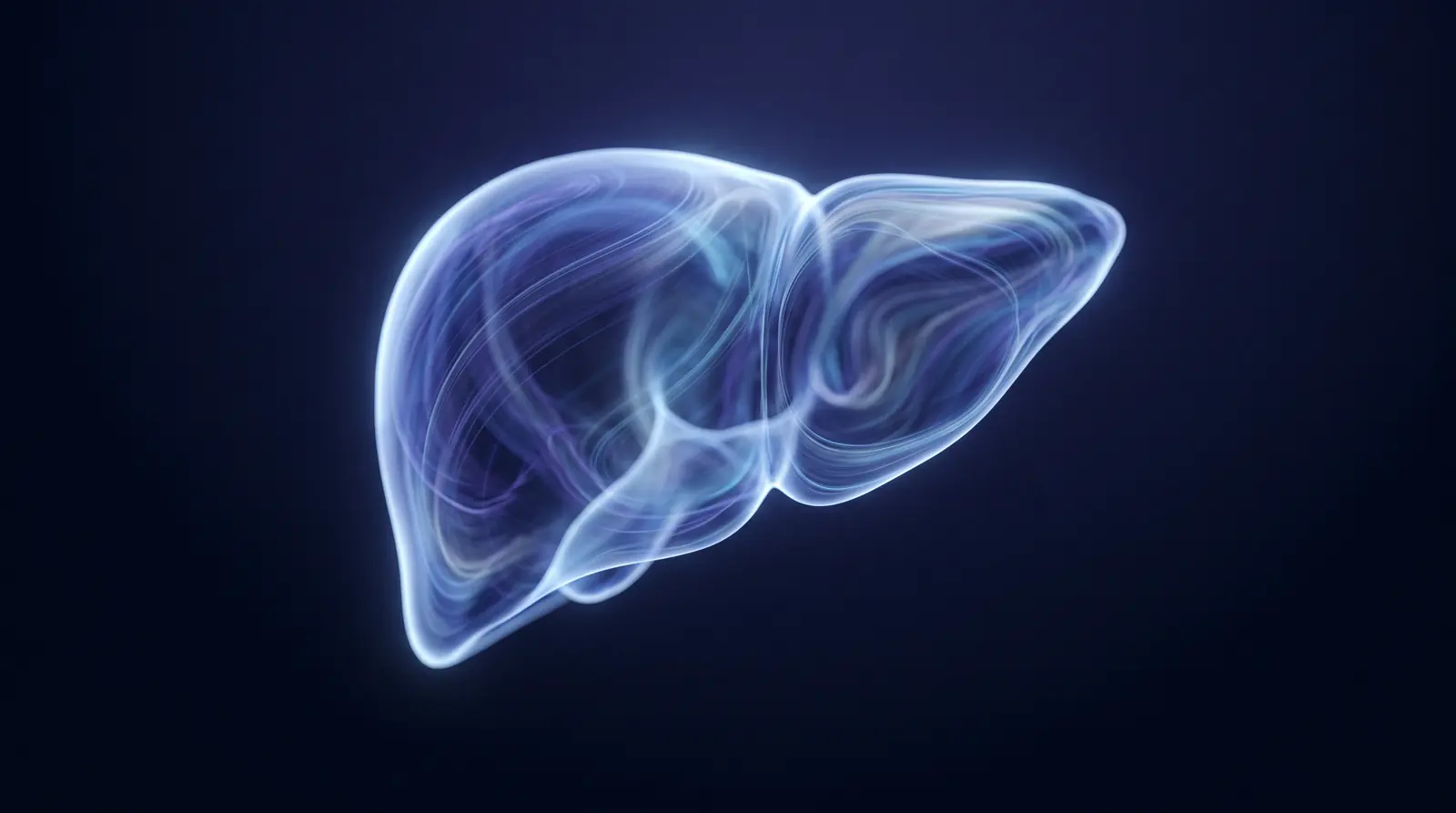
Liver resection removes the part of the liver containing a tumour while leaving behind enough healthy liver to function. The liver can regrow over time, which often allows a significant portion to be removed safely.
It is used for benign tumours that need removal, primary liver cancers, and secondary cancers that have spread to the liver (for example from the colon or rectum).
Who might need it?
Whether surgery is suitable is decided after a thorough clinical and radiological assessment, including detailed imaging and tests of liver function, of whether the tumour can be removed completely while leaving enough healthy liver, and whether the person is fit for major surgery.
The plan is made by a multidisciplinary team, and chemotherapy is sometimes given before or after surgery.
Recovery
This is major surgery and recovery is gradual, with the care team monitoring liver function closely afterwards.
Where suitable, this may be carried out using minimally invasive techniques. See Minimally Invasive Surgery.
Frequently asked questions
Can the liver grow back after surgery?
Yes. The liver has a strong ability to regenerate, which often allows a significant part to be removed safely, provided enough healthy liver remains.
Can cancer that has spread to the liver be removed?
Sometimes. Secondary cancers in the liver, for example from the colon or rectum, can be treated with surgery in selected cases, often alongside chemotherapy. Suitability is decided by the multidisciplinary team.
Can liver surgery be done minimally invasively?
In selected cases, yes. Laparoscopic and robotic approaches can be used for some liver resections, depending on the tumour and individual factors.
How long is recovery?
Recovery is gradual and varies from person to person. Your surgical team will give you guidance specific to your operation.